Stefan is an American executive building the power infrastructure behind the AI age — from gas pipeline to chip. His career also spans electrified mobility, with multiple issued patents in energy, aircraft, and aerospace. Pilot. Open-wheel racer. Volunteer firefighter.
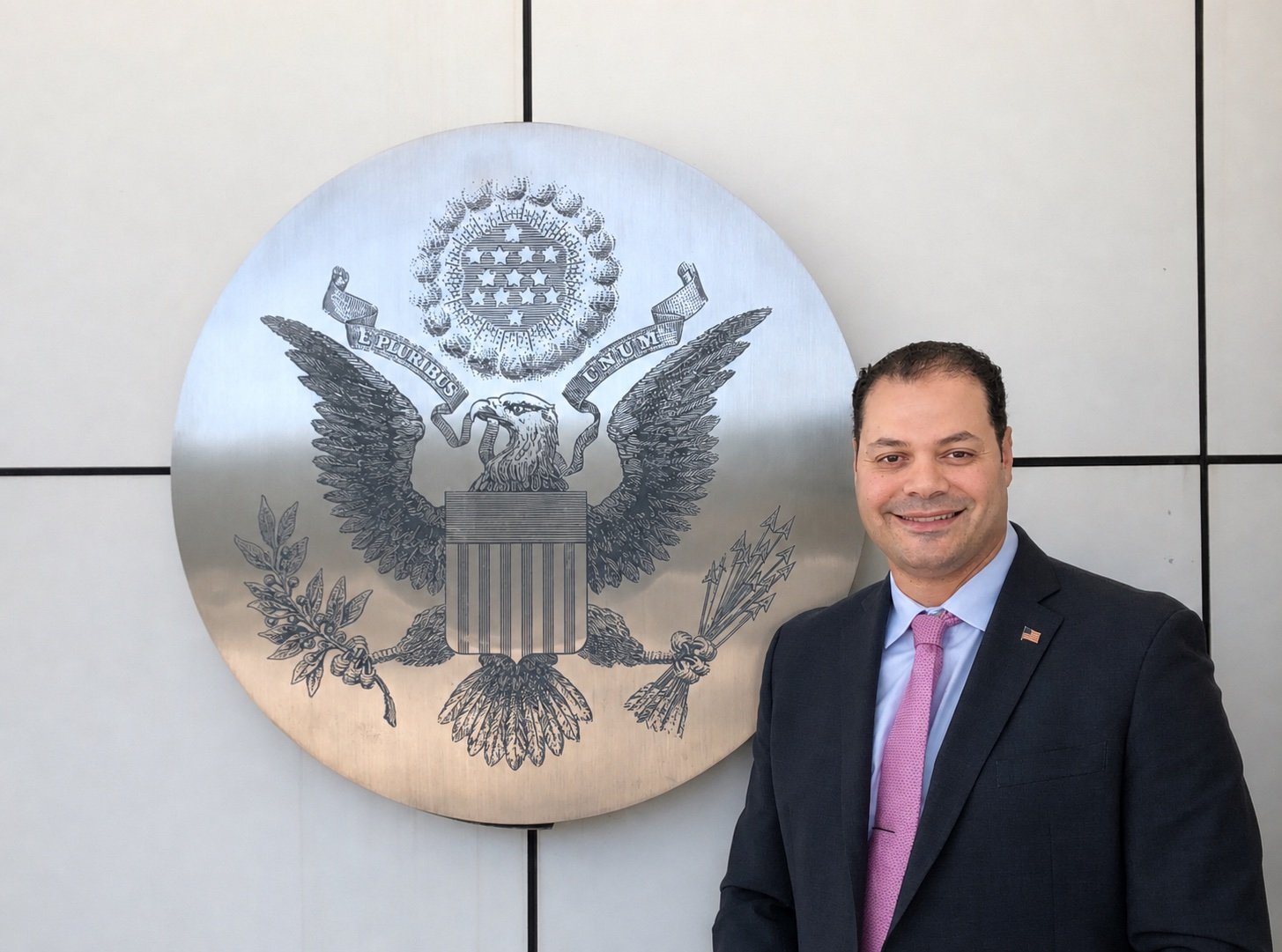
Stefan Amraly is an American energy and infrastructure executive of Egyptian heritage, descended from the Al-Sati family — with a career built across power generation, energy markets, and electrified mobility, delivering complex projects and infrastructure at scale.
As Head of Energy Infrastructure at Pennsylvania Data Center Partners, Stefan brings two decades of global leadership to the central challenge of the AI age — building the resilient, scalable infrastructure that hyperscale demands. The work joins technical innovation, market strategy, and capital deployment in a single discipline.
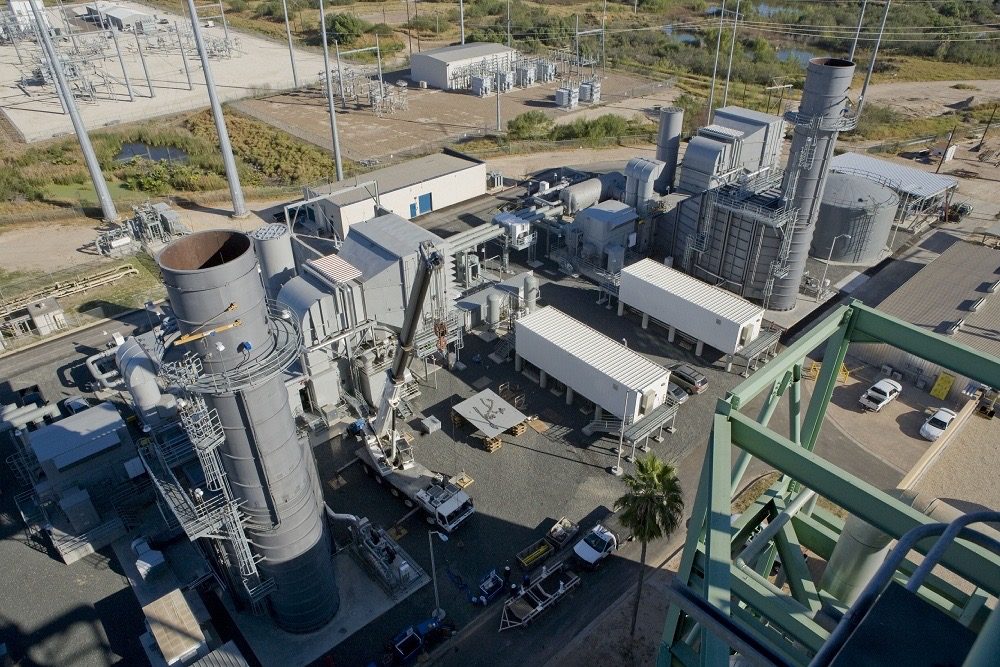
He has developed and financed large-scale energy projects spanning gas, renewable, and hybrid systems — totaling more than 1.8 GW of capacity and over $1.4 billion in project financing across multiple U.S. and international regions.
His expertise spans site development, permitting, capital structuring, commodities, and revenue optimization — the full lifecycle of bringing ambitious infrastructure from concept to operating asset. He holds multiple issued patents in energy, aircraft, and aerospace systems.
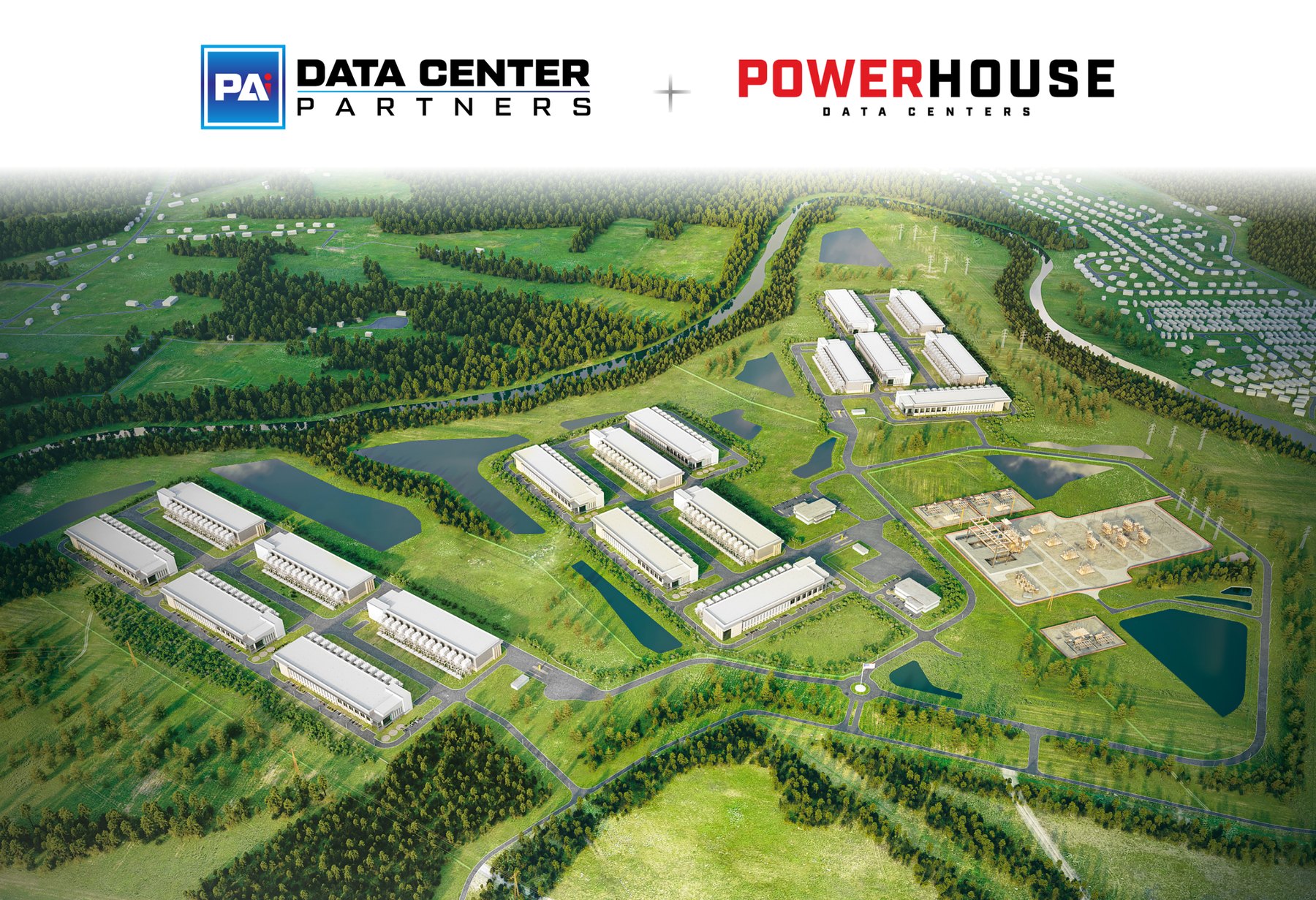
Leads the energy infrastructure platform for AI-scale data center developments across Pennsylvania. PADCP and Powerhouse are currently developing over 8 GW of data center capacity, including more than 3 GW of behind-the-meter generation. The work spans site origination, generation strategy, grid interconnection, and the full pipeline-to-chip stack required to bring multi-hundred-megawatt loads online.
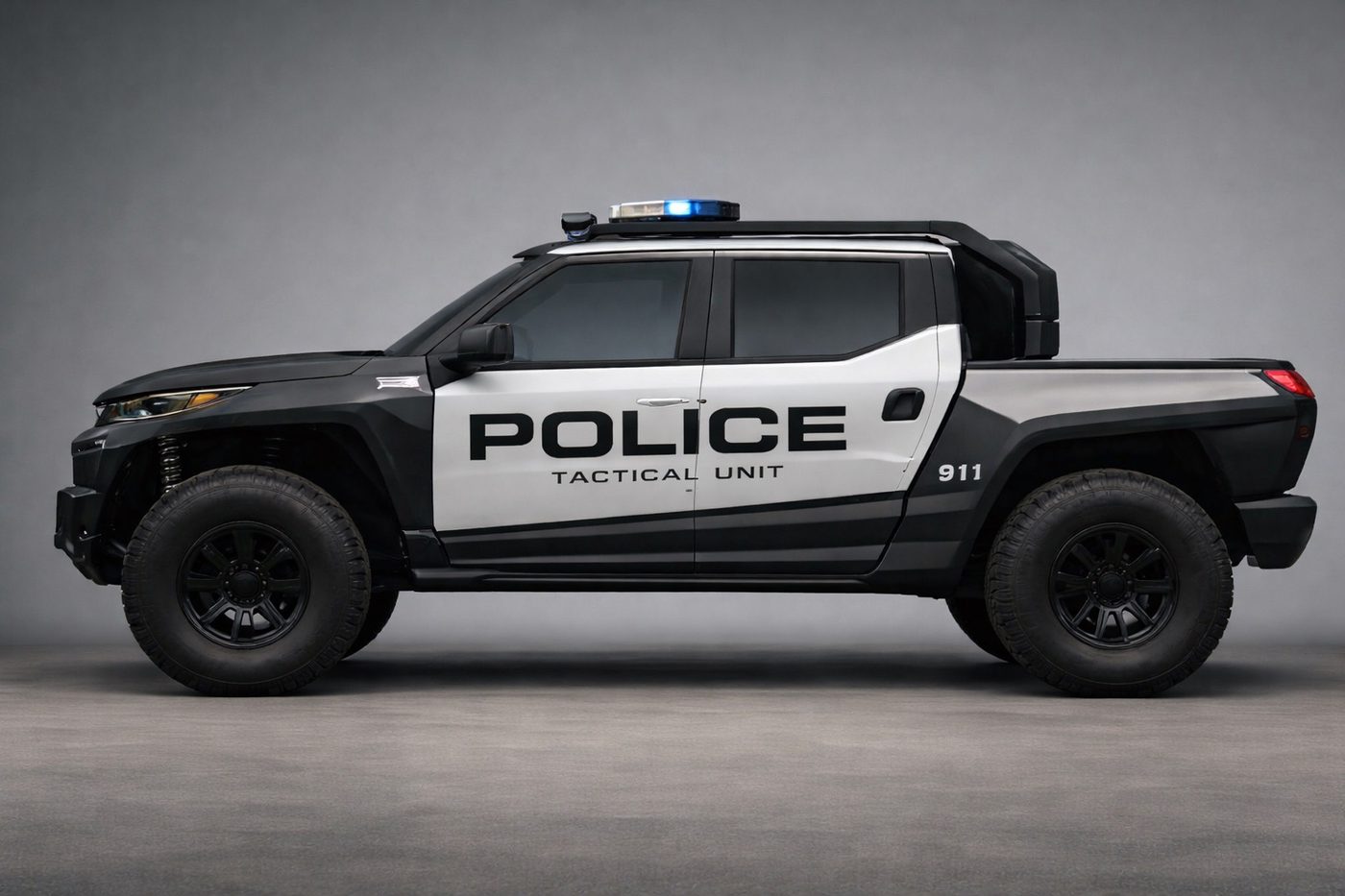
Senior advisor on the development of light mobility scout vehicles for government applications and off-road use — translating advanced electrified-mobility design into mission-grade hardware.
Led the development of integrated energy campuses combining on-site power generation, storage, and advanced infrastructure tailored for data centers and industrial applications. Drove site development, permitting, capital structuring, commodities strategy, and revenue optimization across major energy markets.
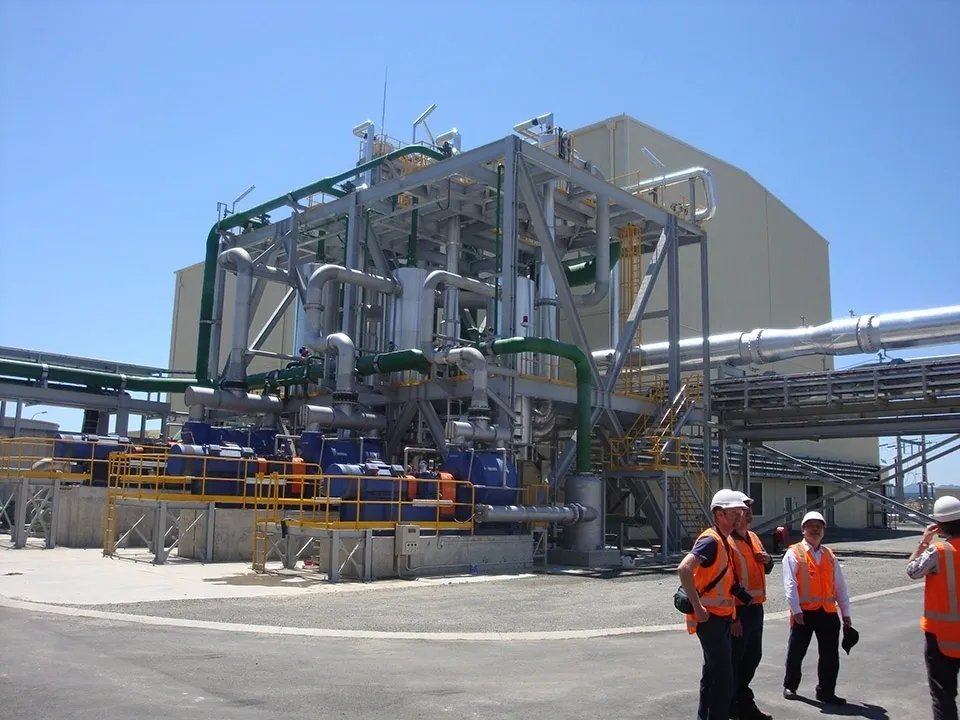
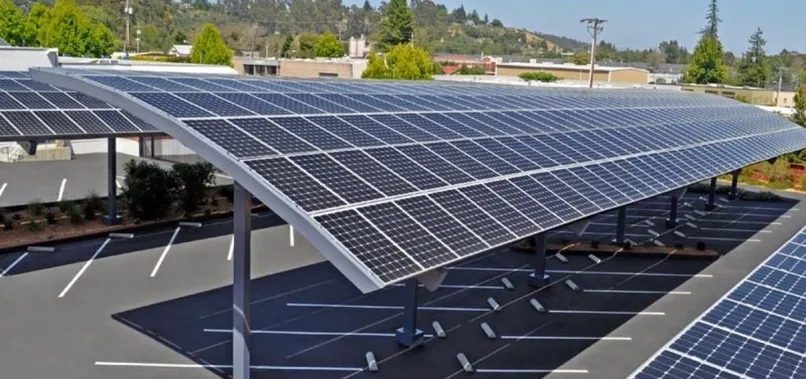
Organized the building of gas turbines, wind turbines, solar farms, and integrated energy generation technology — establishing deep operating fluency across the full thermal-and-renewable stack.
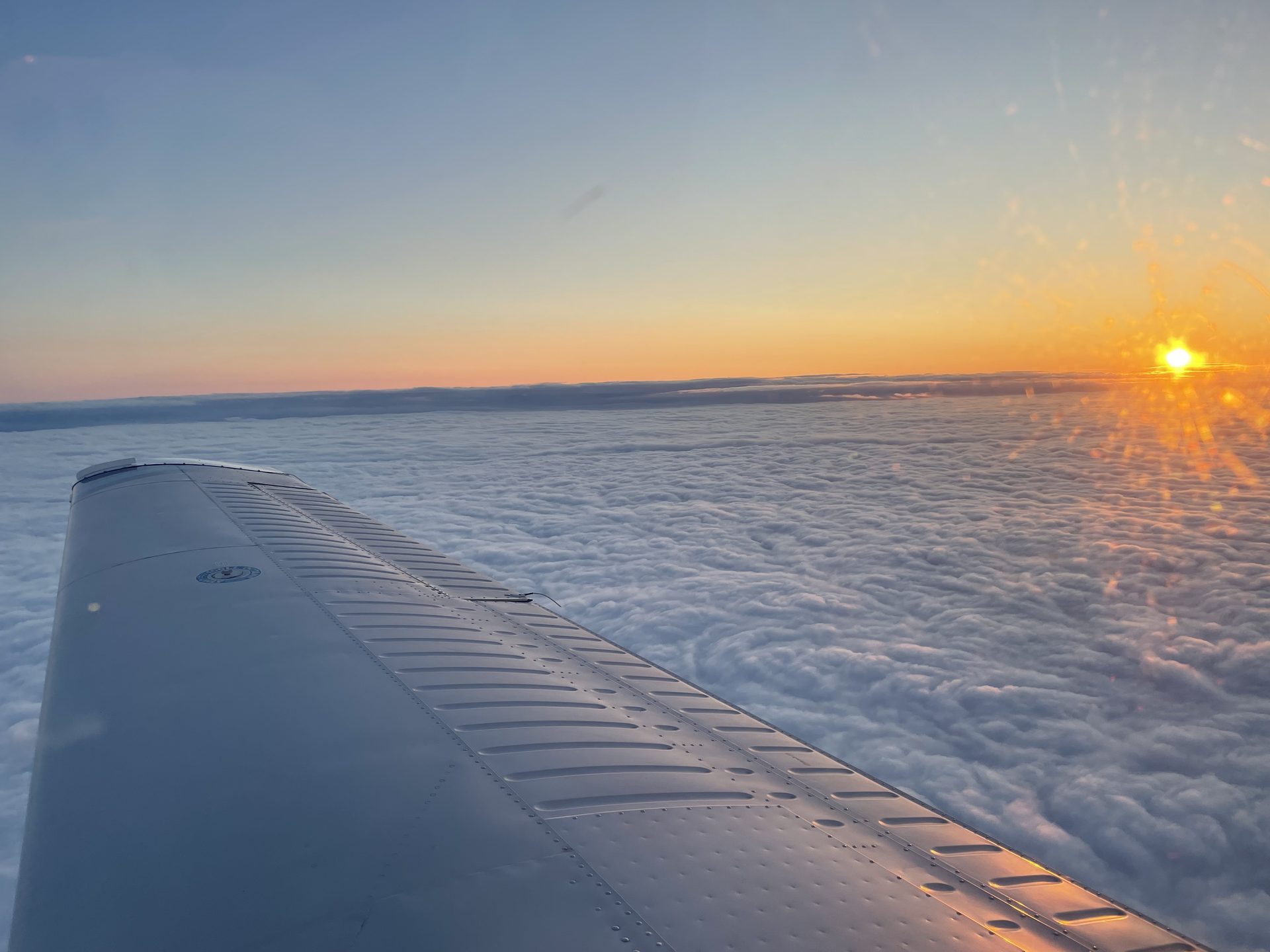
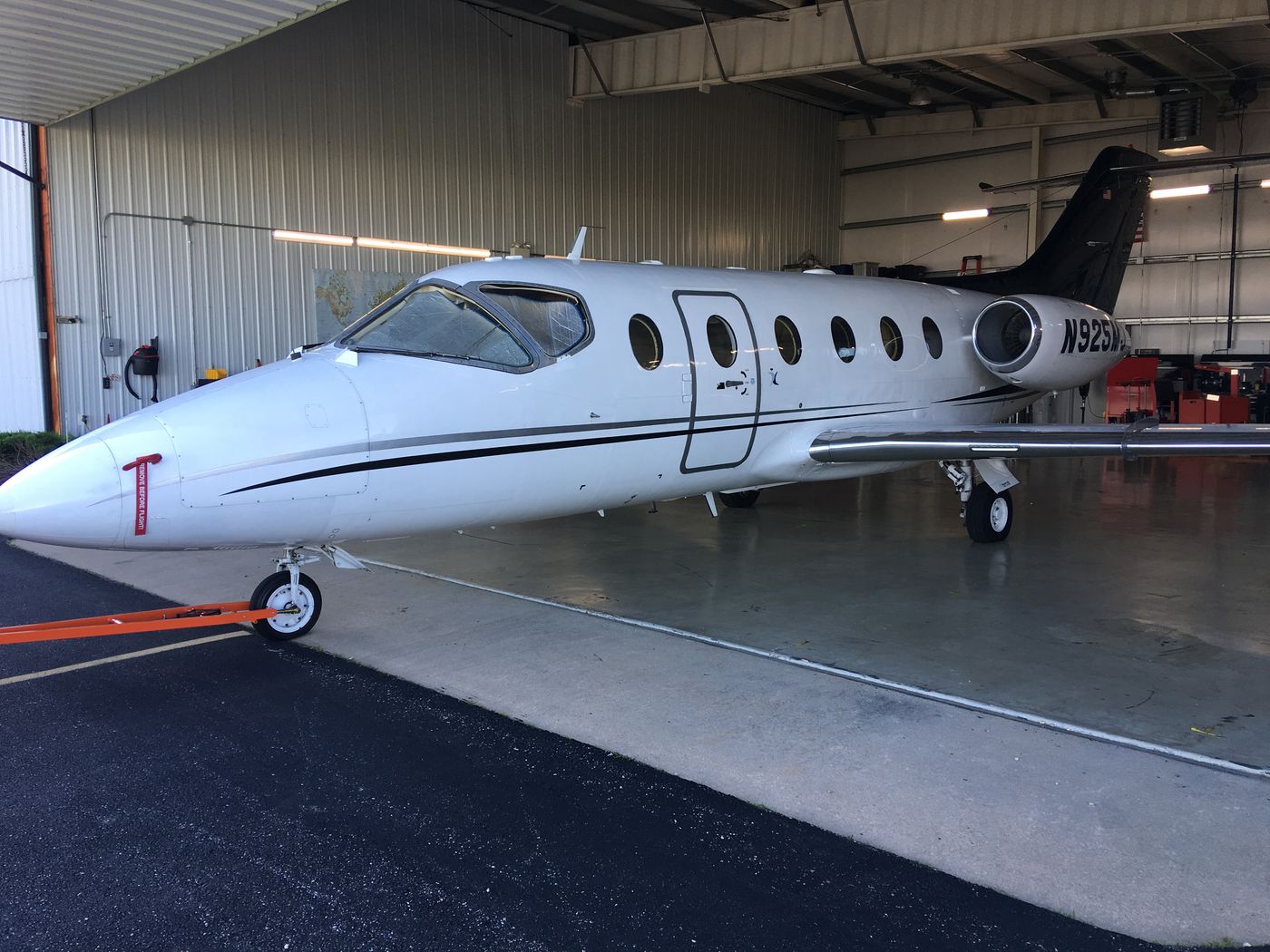
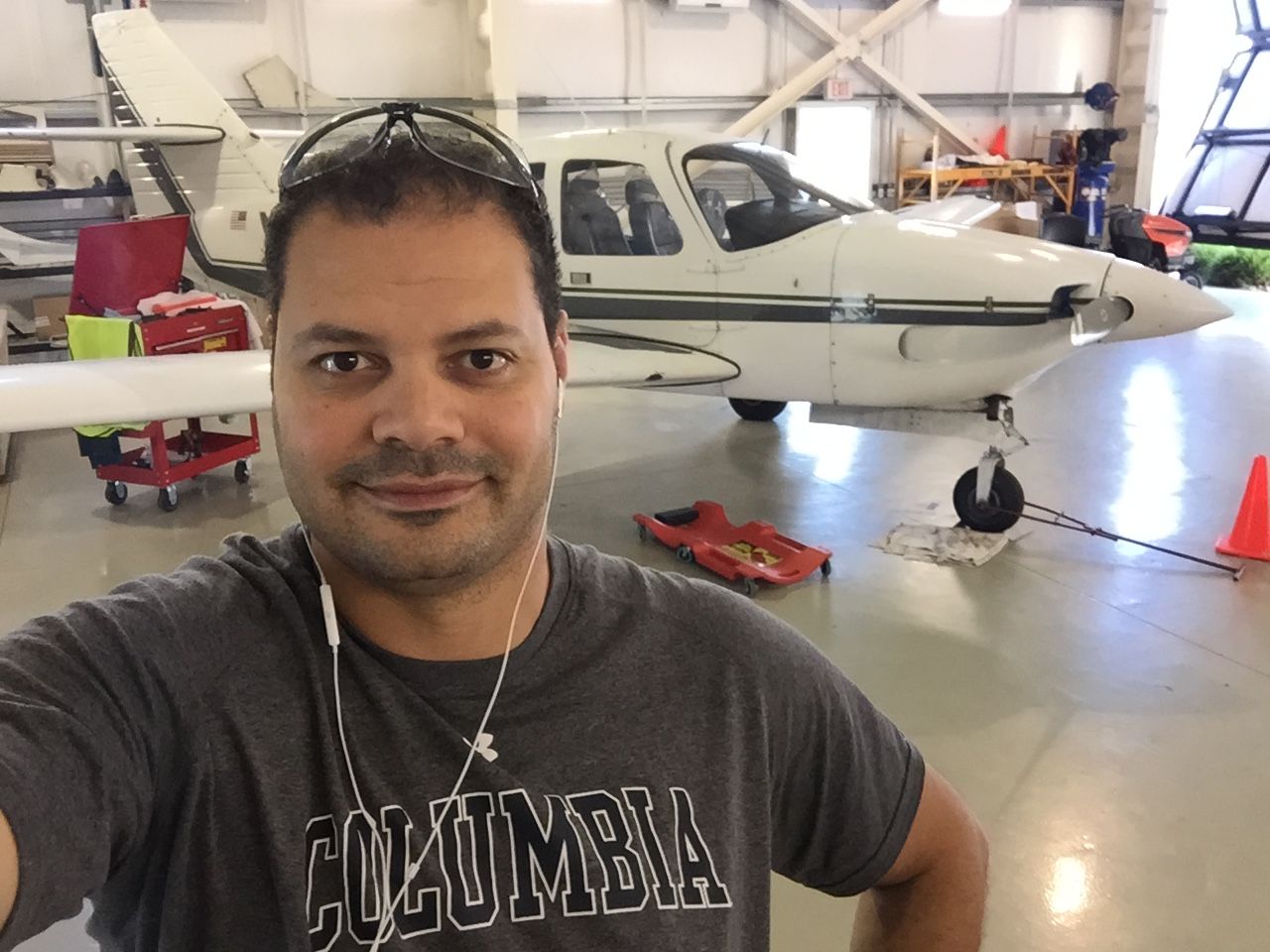
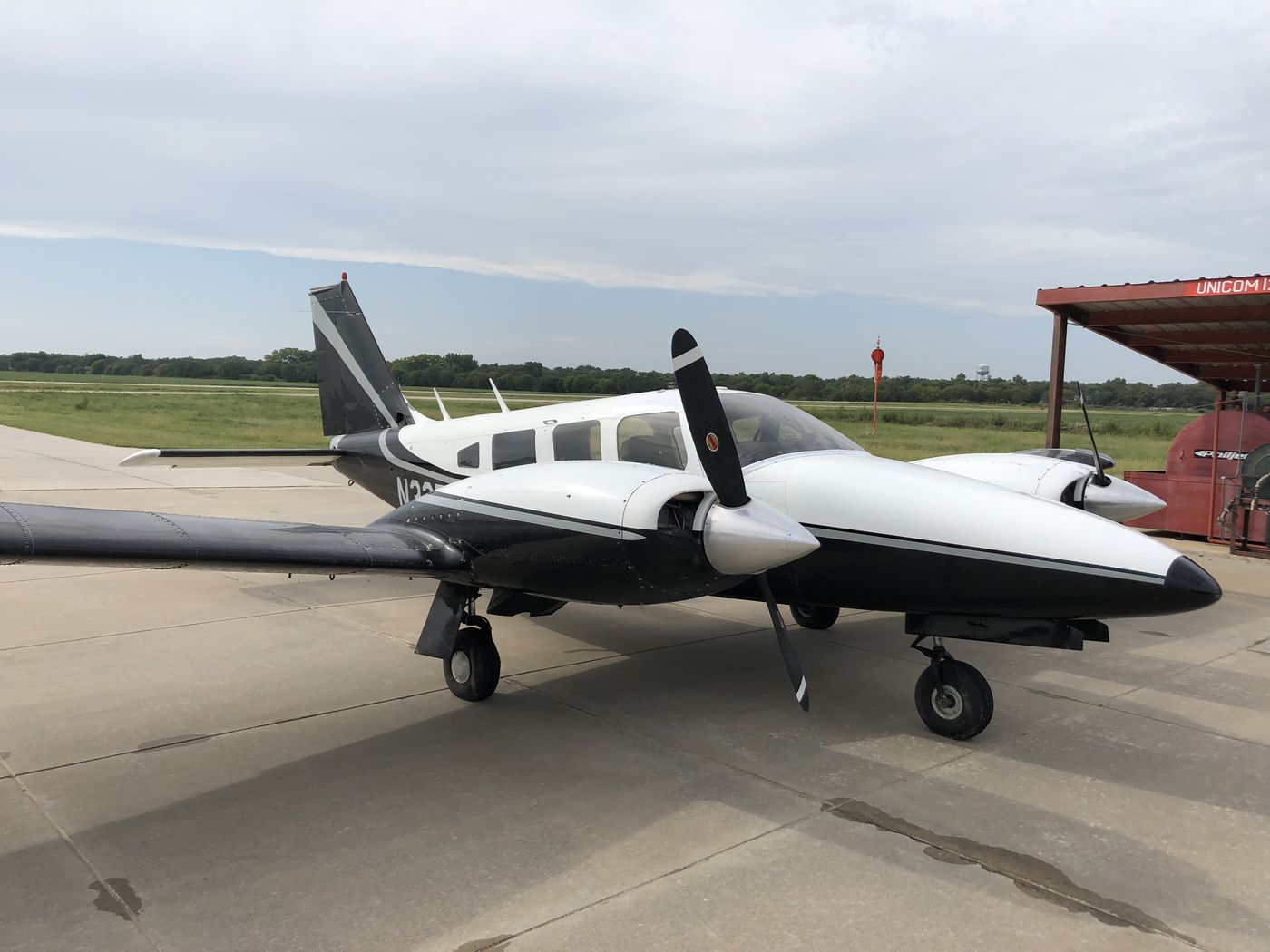
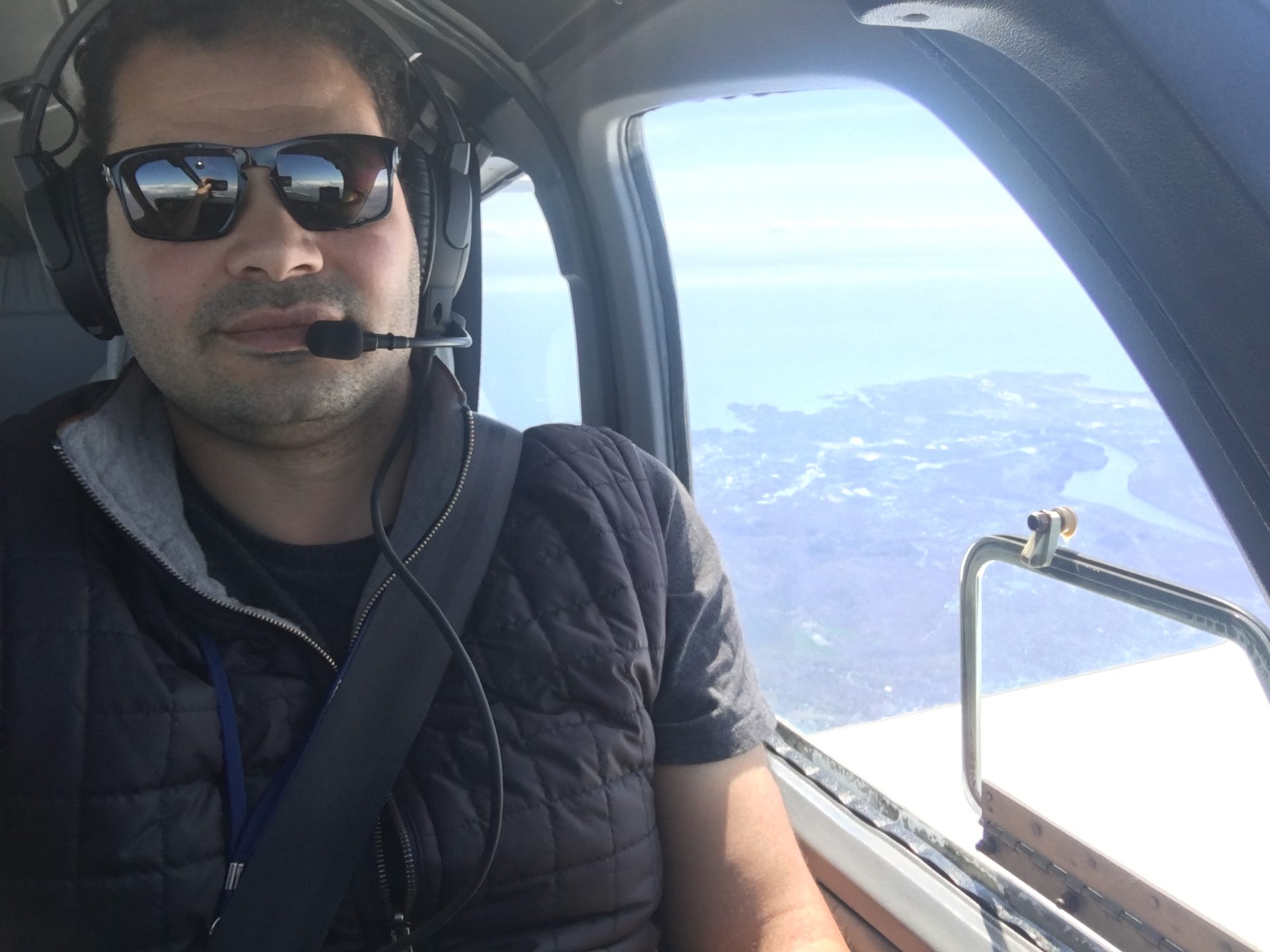
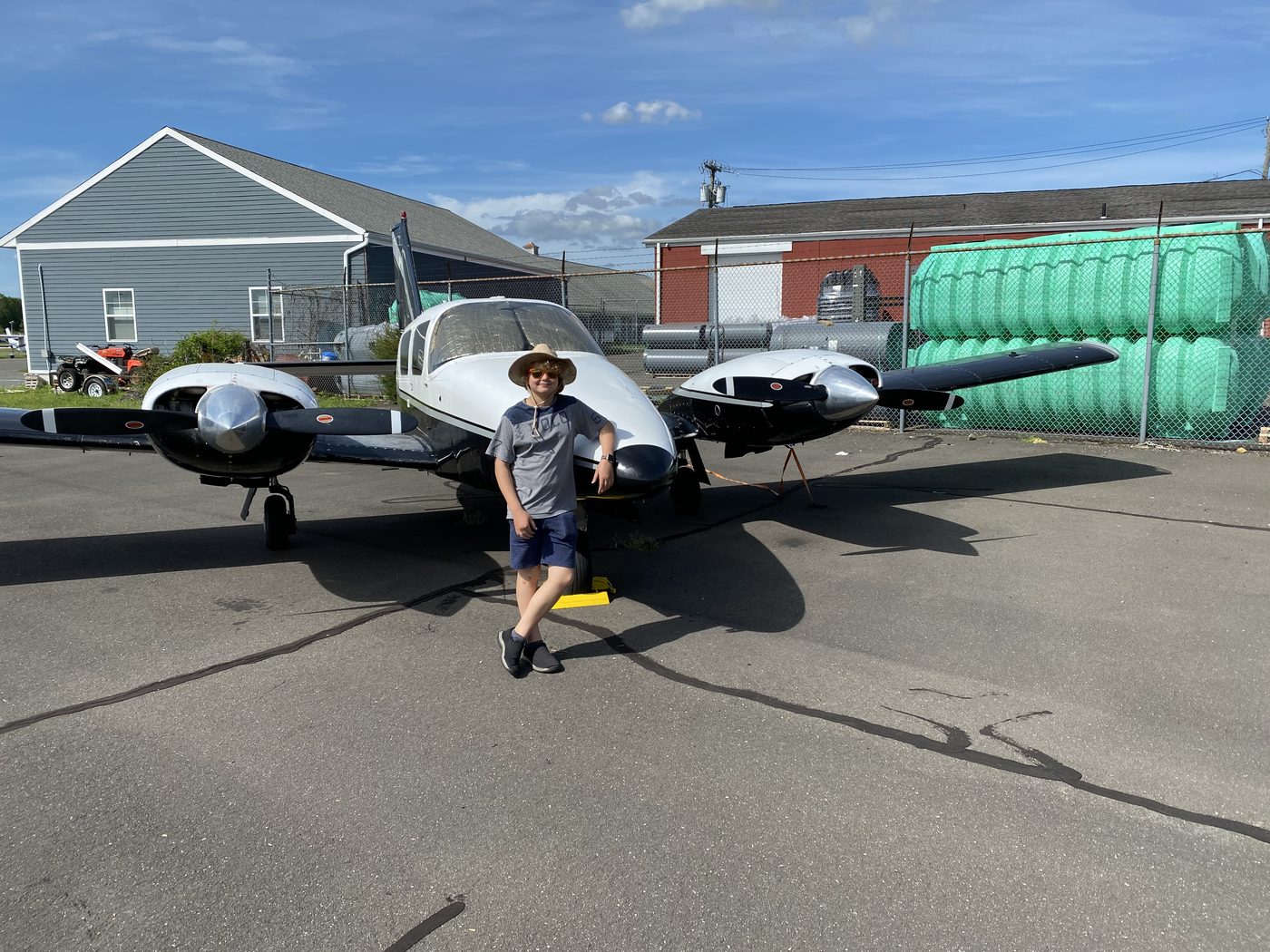
Certified private pilot. Avionics engineering background from the College of Aeronautics. Patent holder in aircraft and aerospace systems. Aviation isn't a hobby alongside the engineering — it's the same engineering, viewed from a different cockpit.
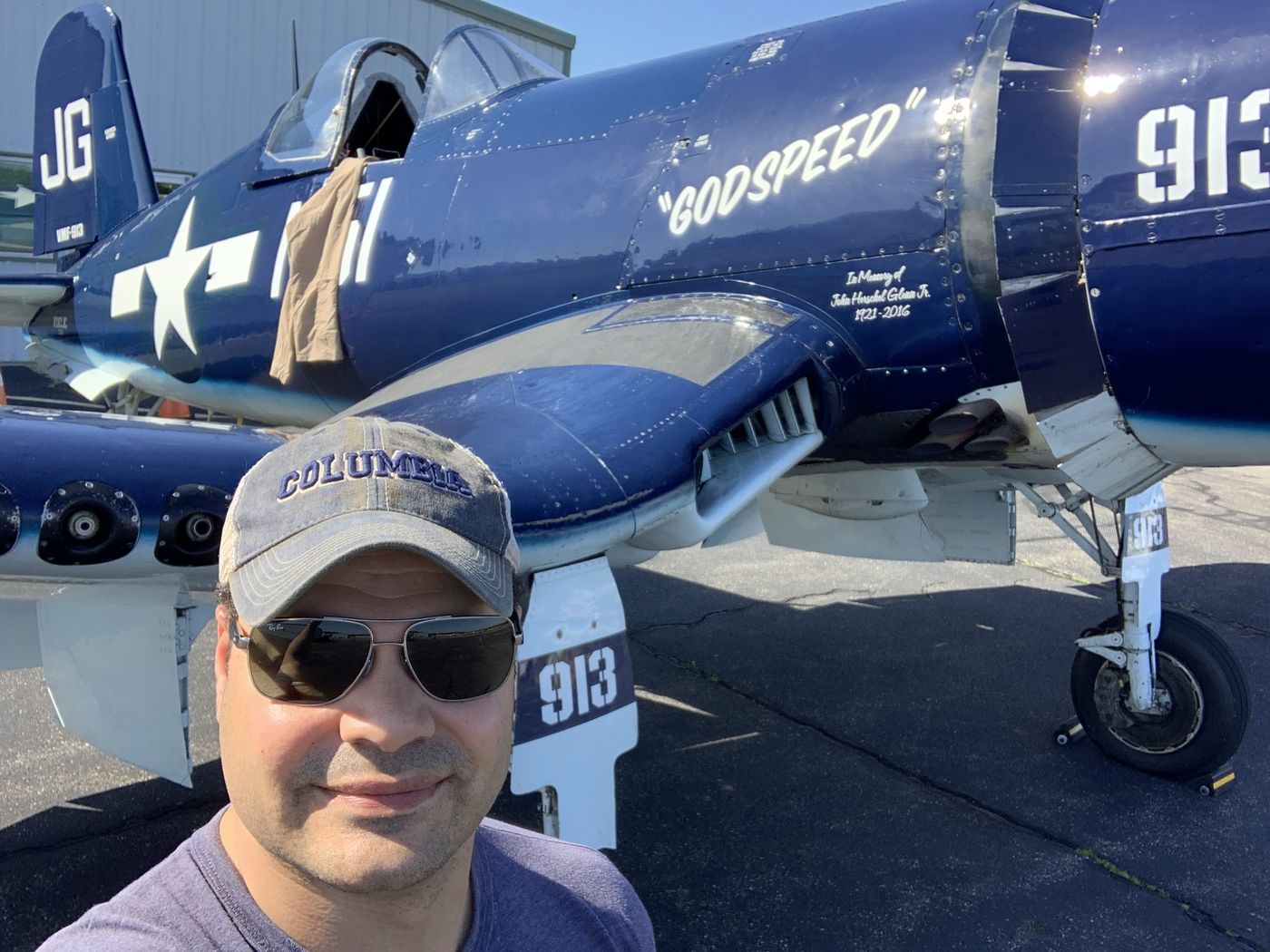
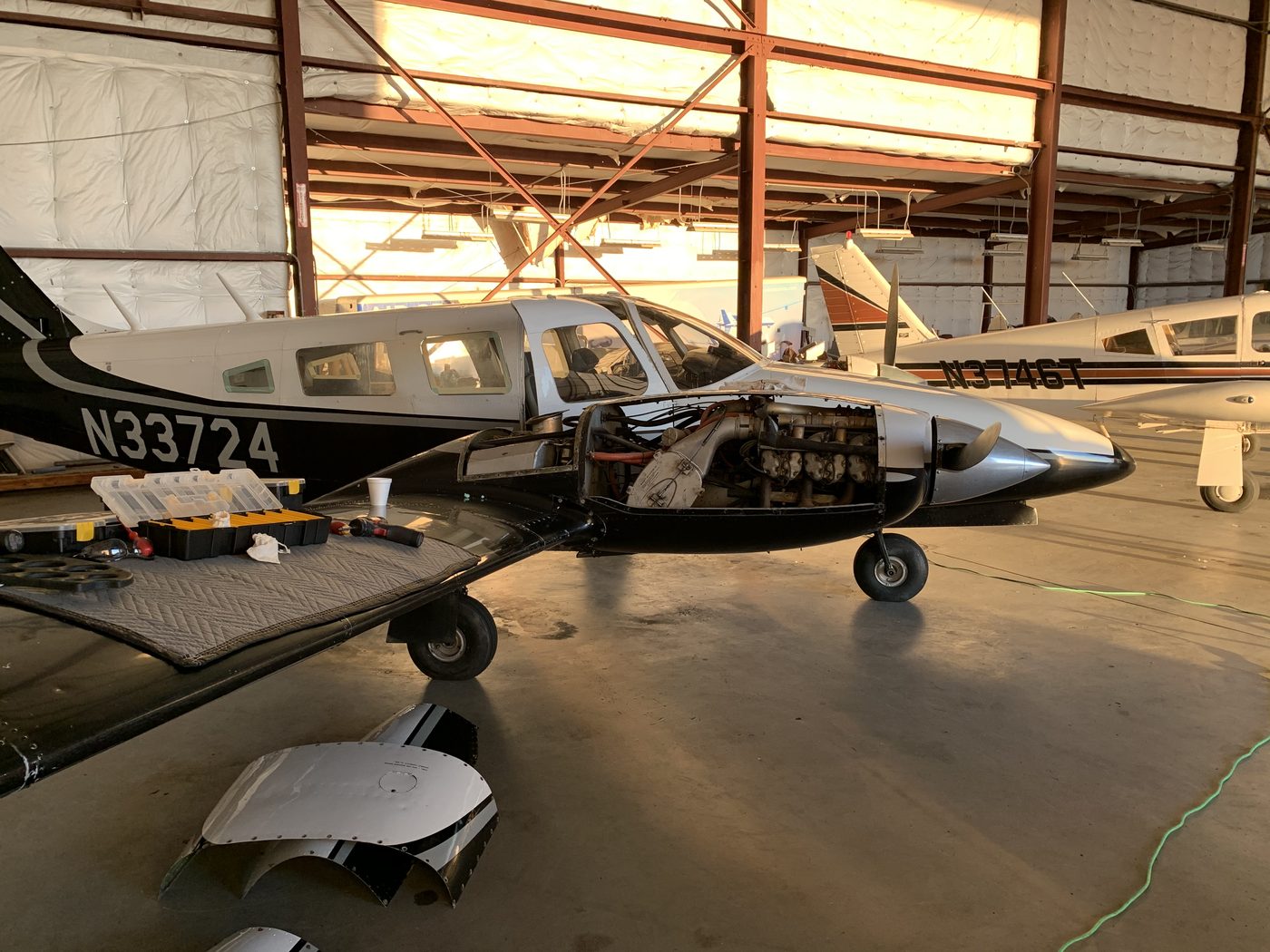
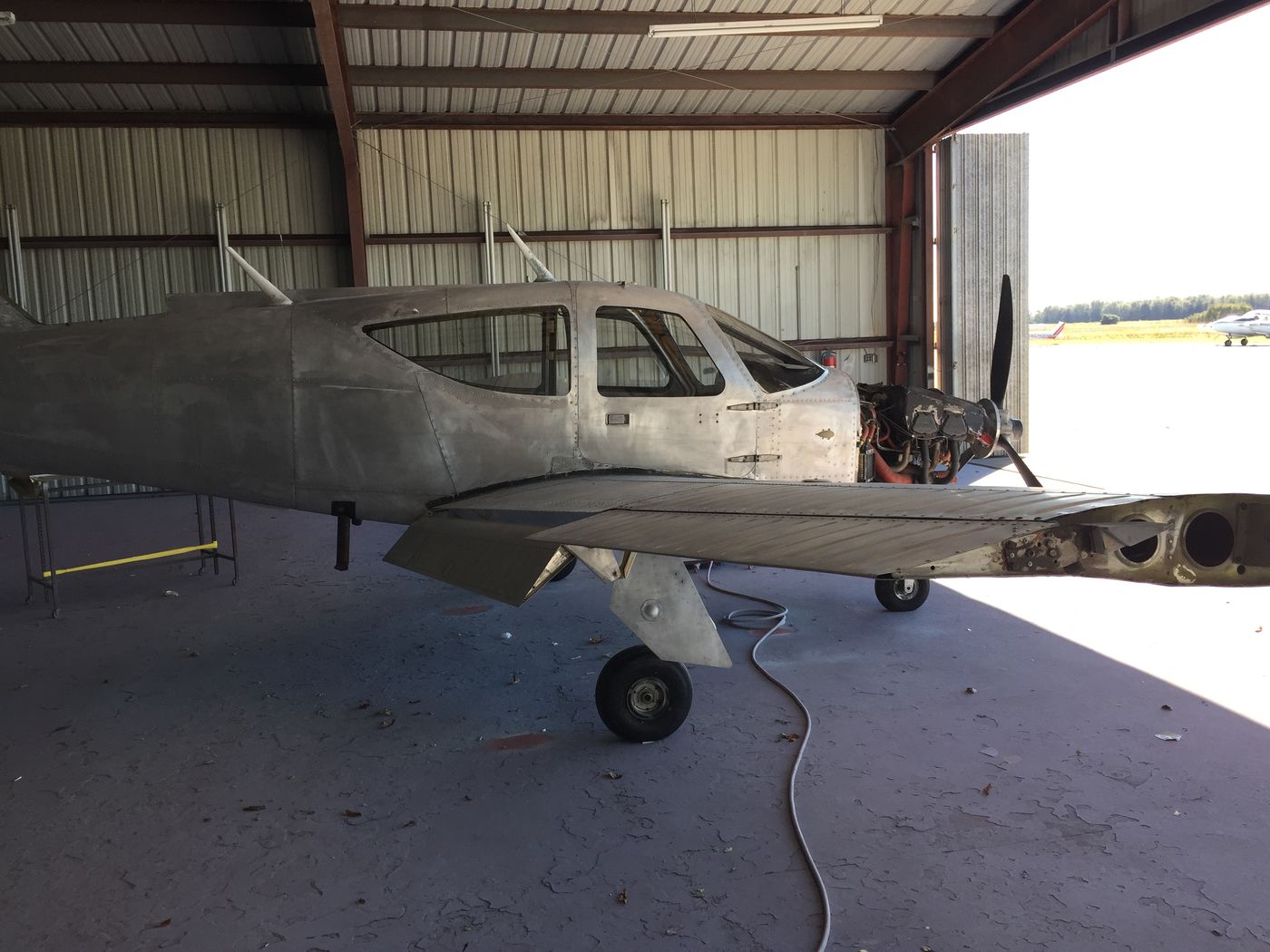
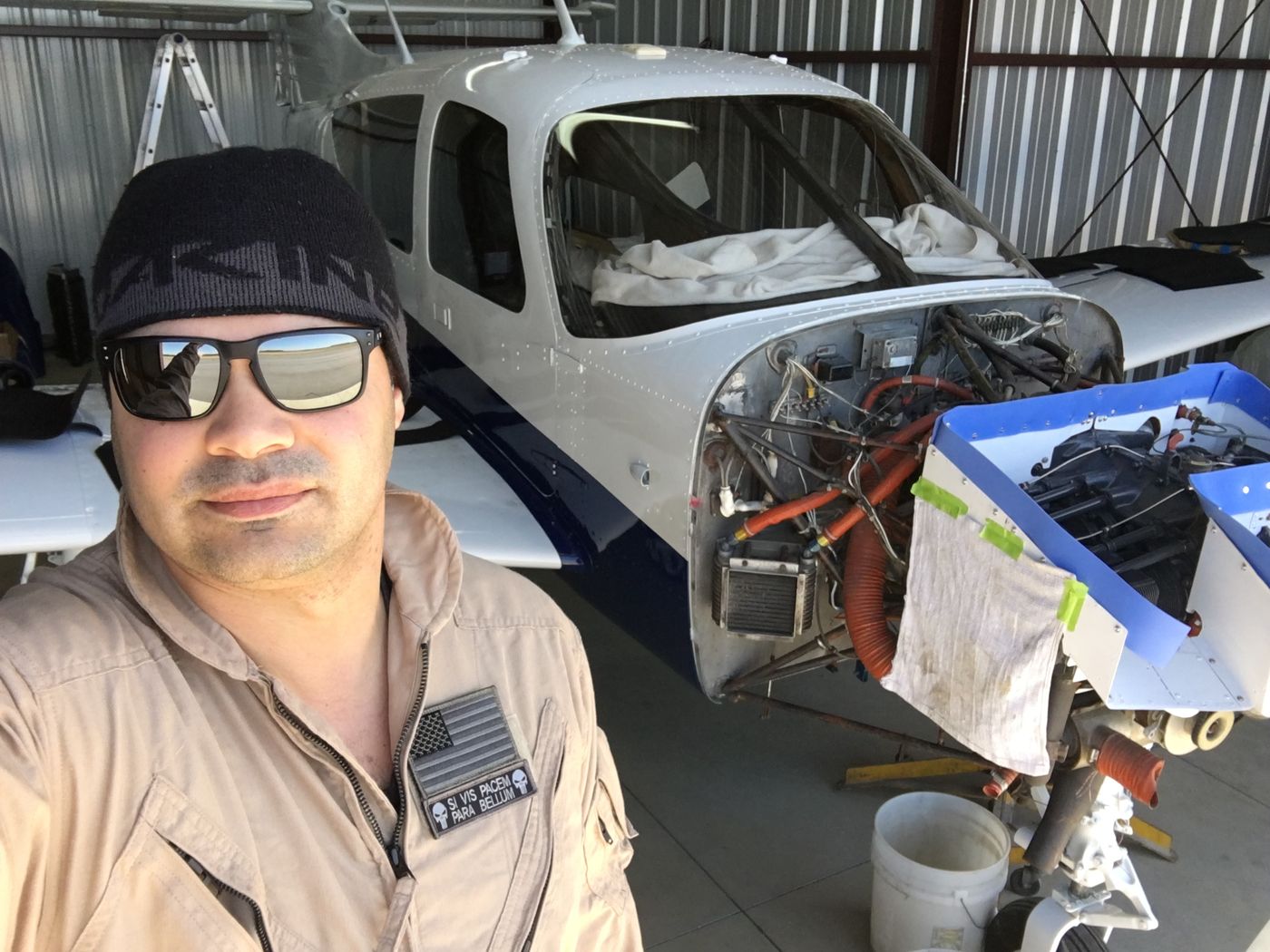
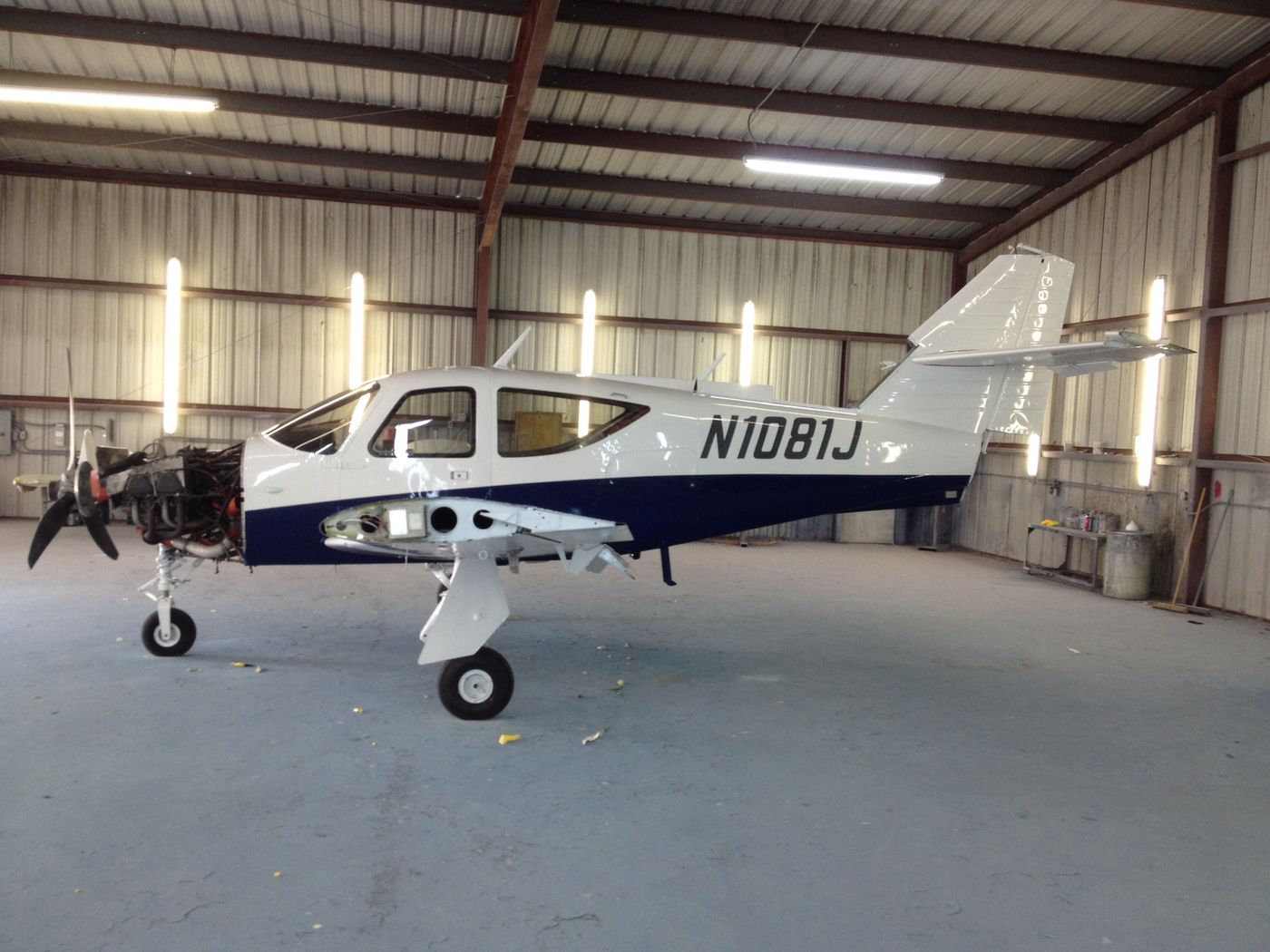
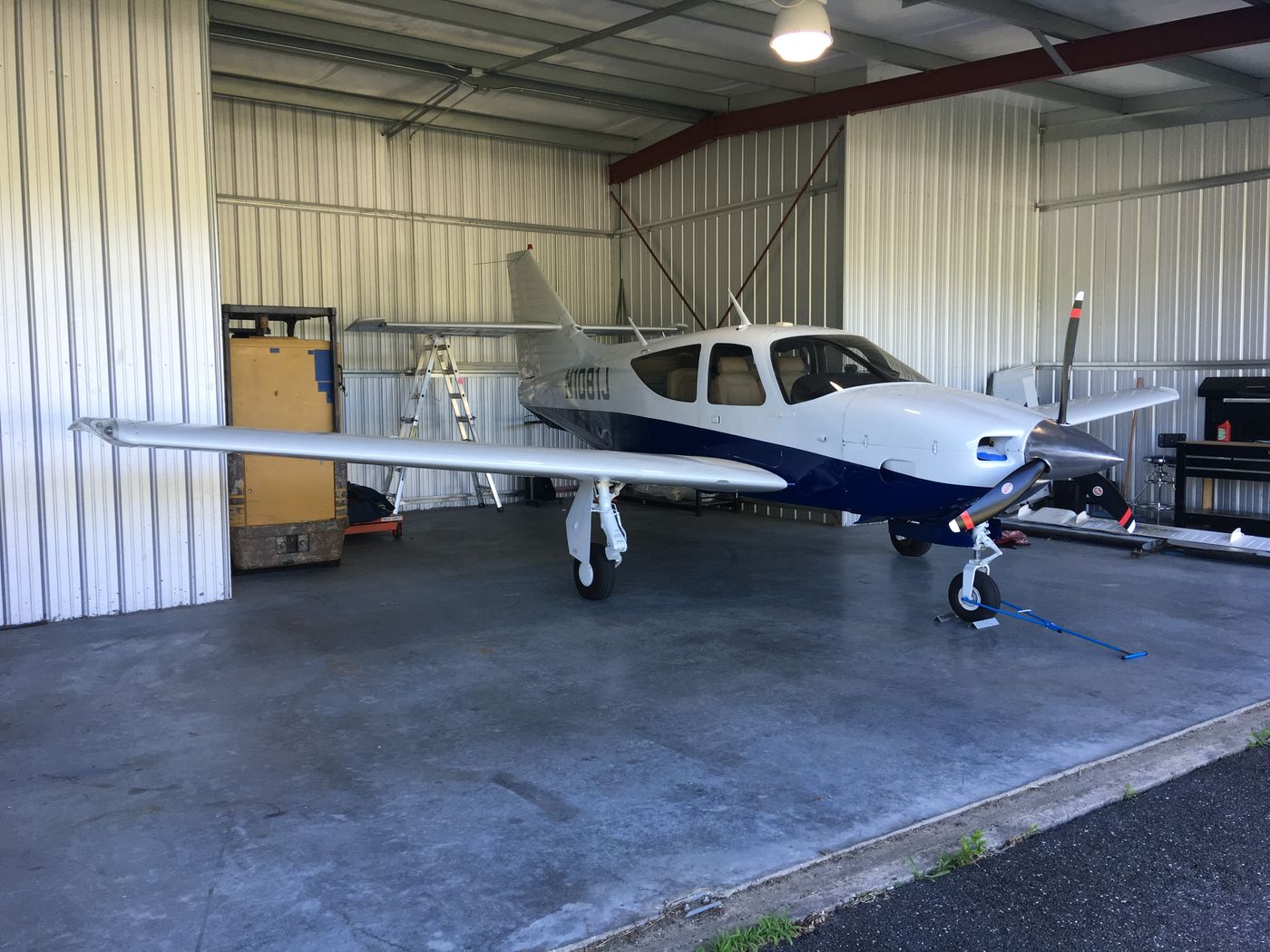
Six complete aircraft restorations — bare-metal teardowns, engine rebuilds, finish work, and the slow, exacting practice of putting a flying machine back together. Each one a study in patience, precision, and the engineering depth that comes from working a problem all the way through.
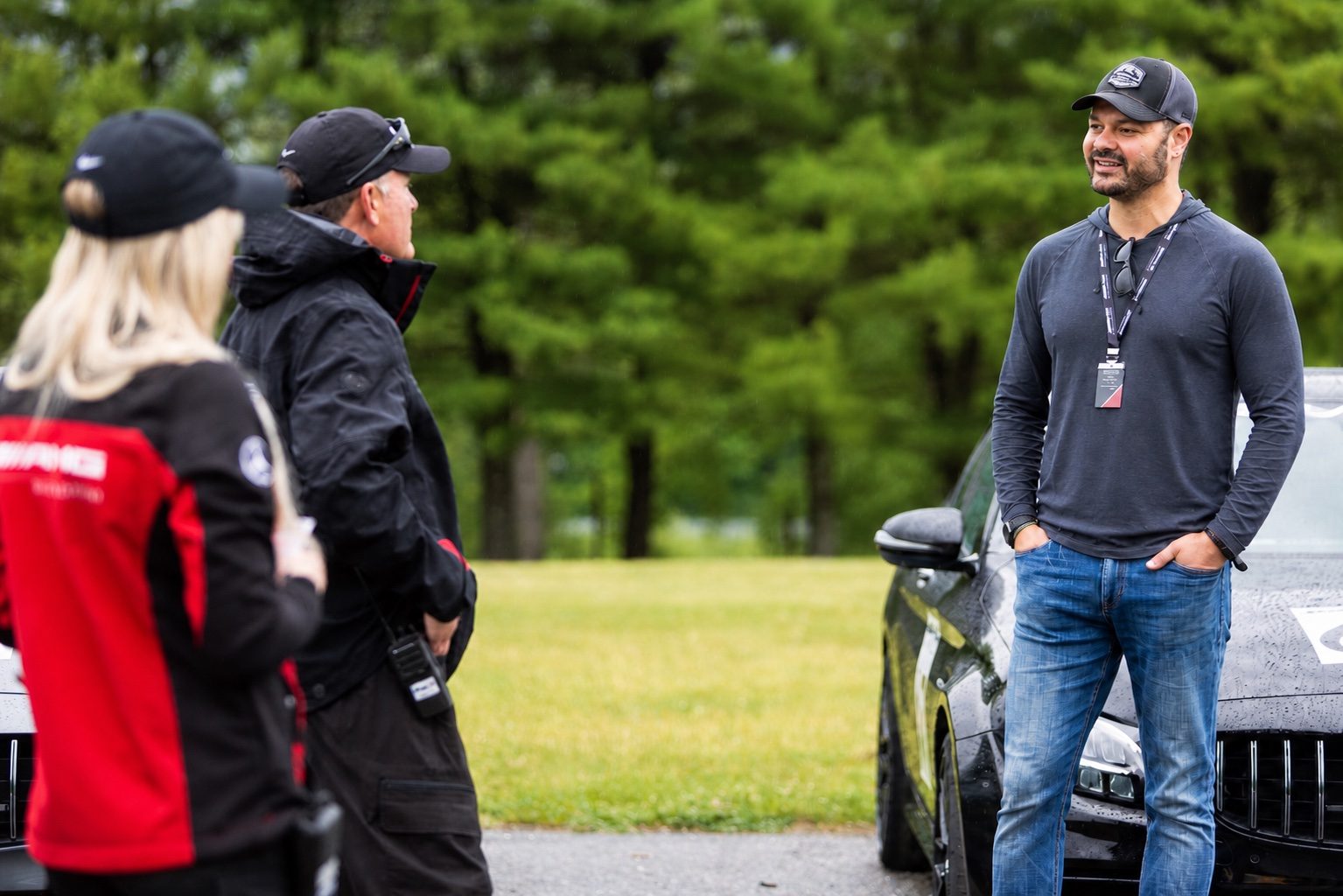
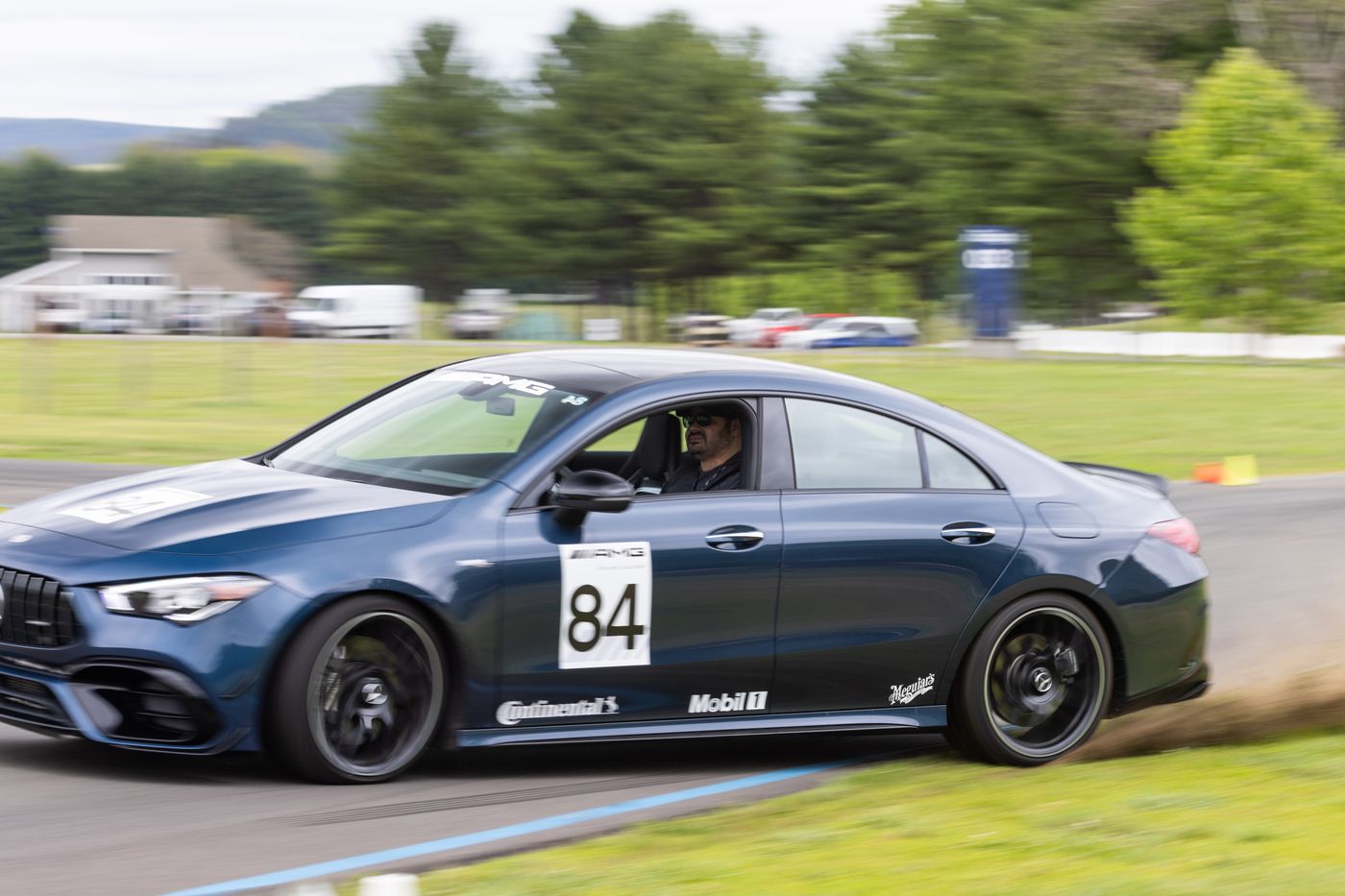
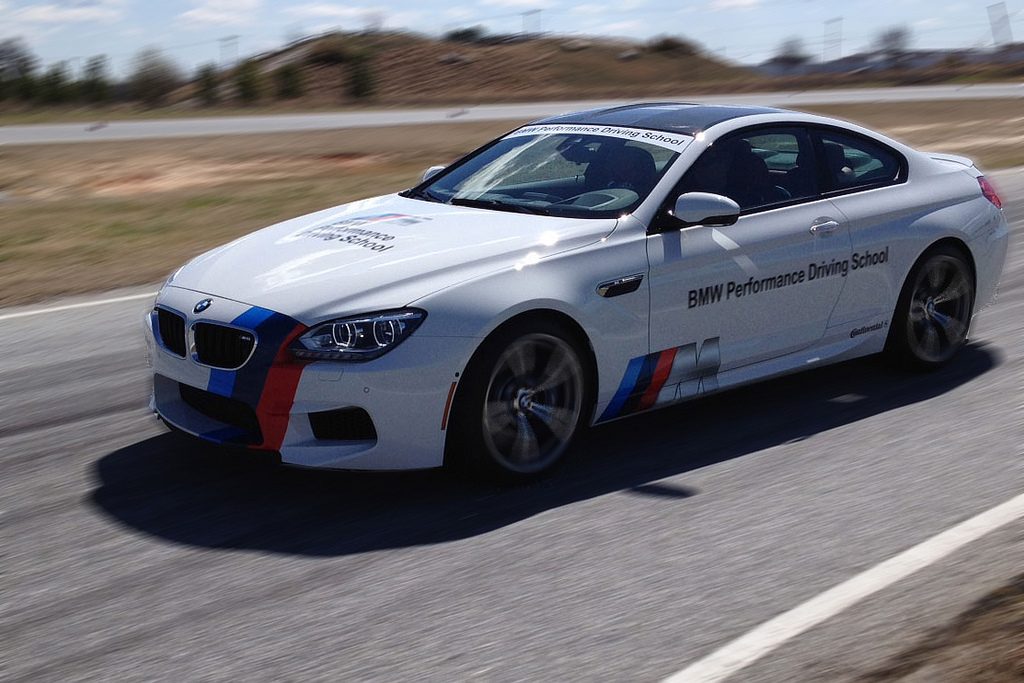
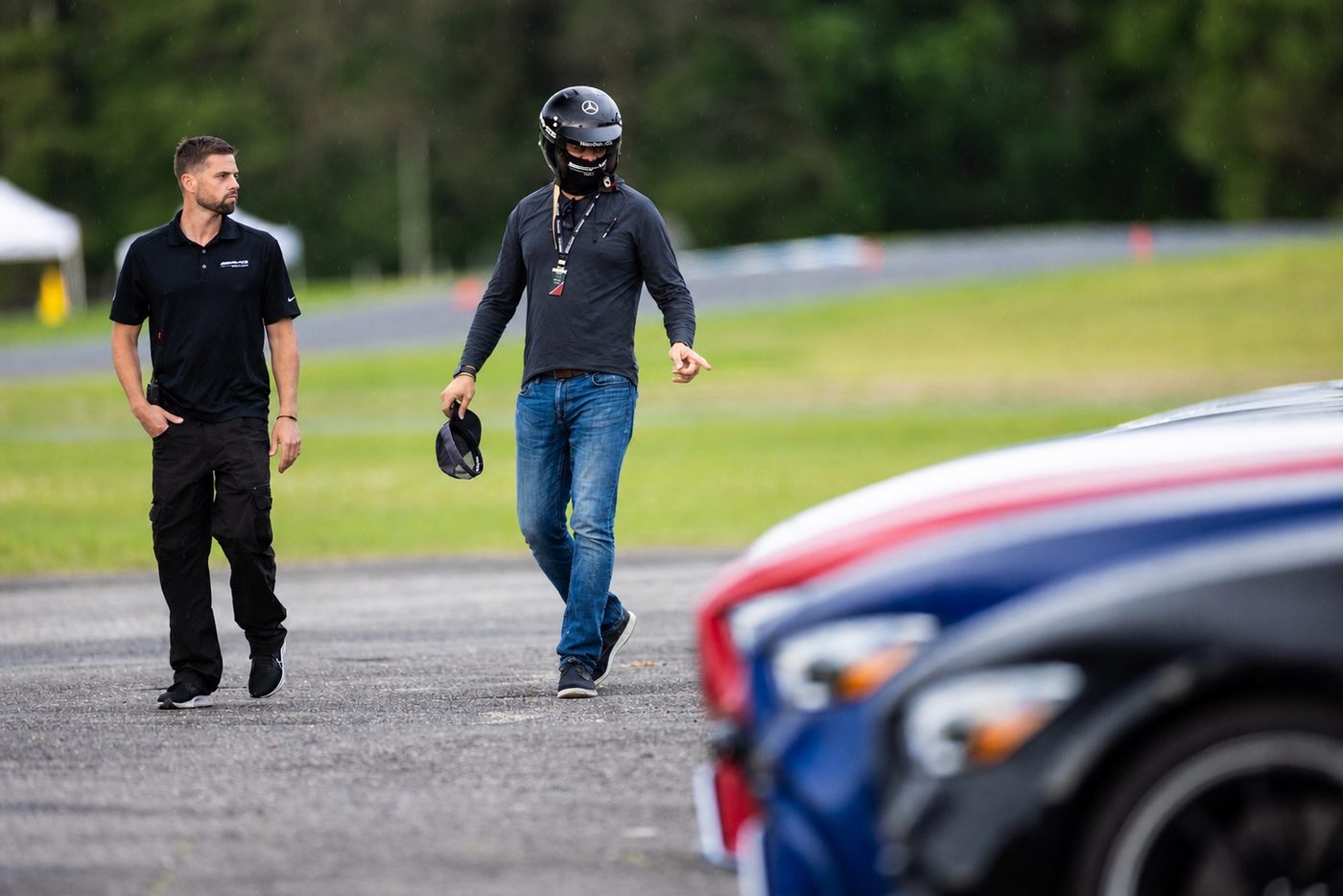
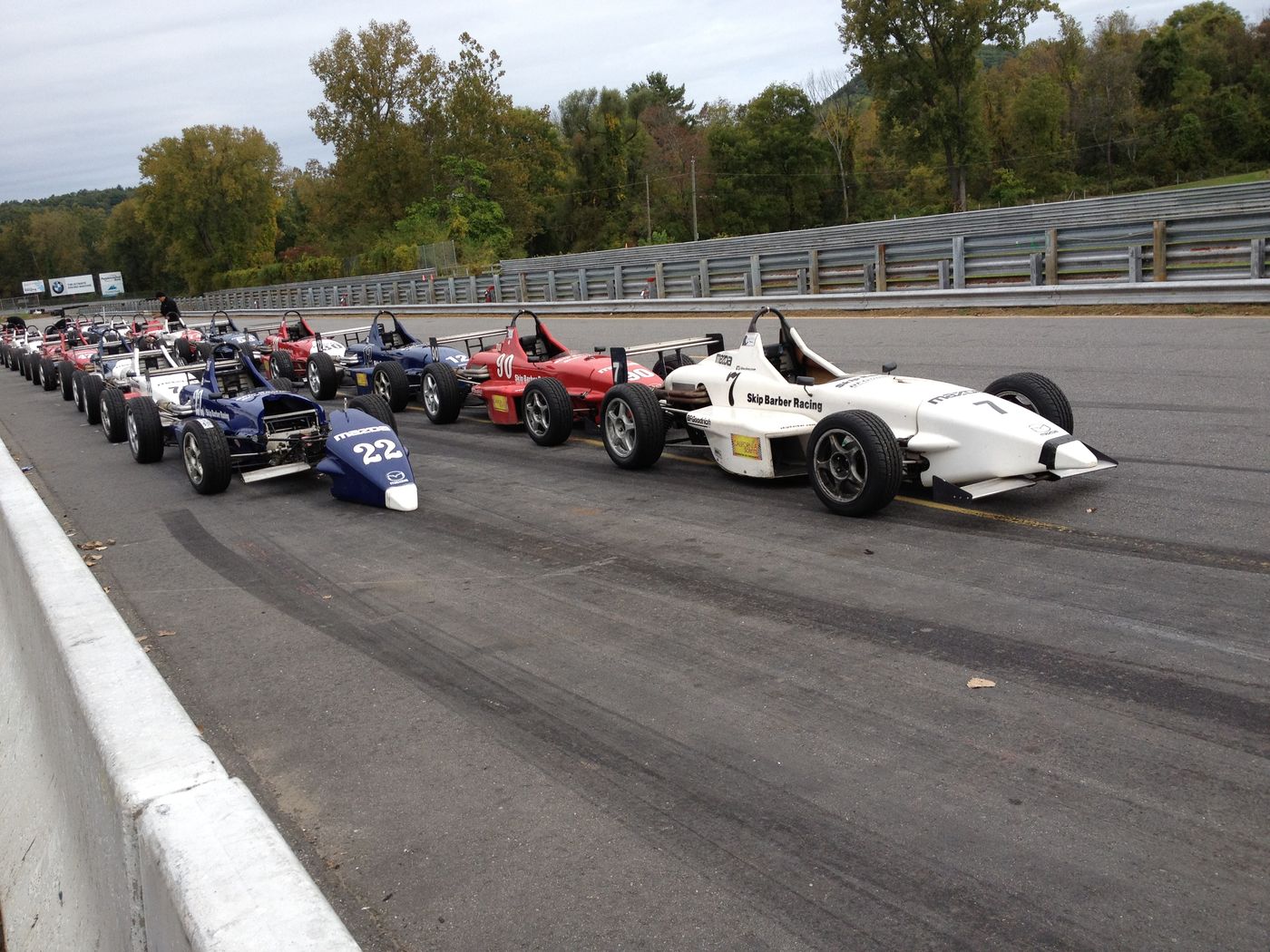
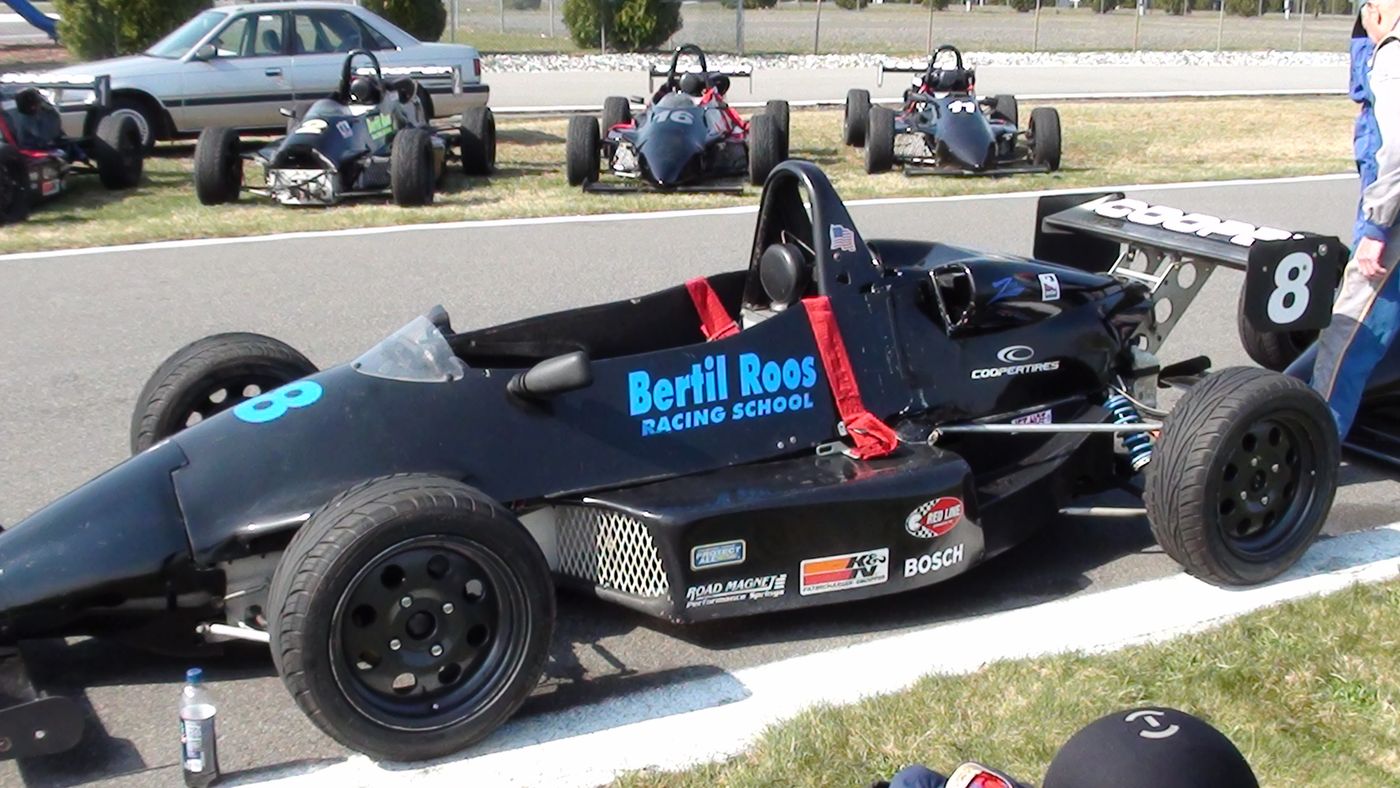
Stefan holds an SCCA Racing License and is a graduate of the Skip Barber Racing School's Advanced program. He competed in the Skip Barber Pro Series, with additional formula training at Bertil Roos and high-performance track work with the Mercedes-AMG Driving Academy and BMW Performance Driving School. Beyond competing, he works part-time as a racing instructor — passing along the discipline of car control to the next set of drivers. Anticipate, balance, commit.
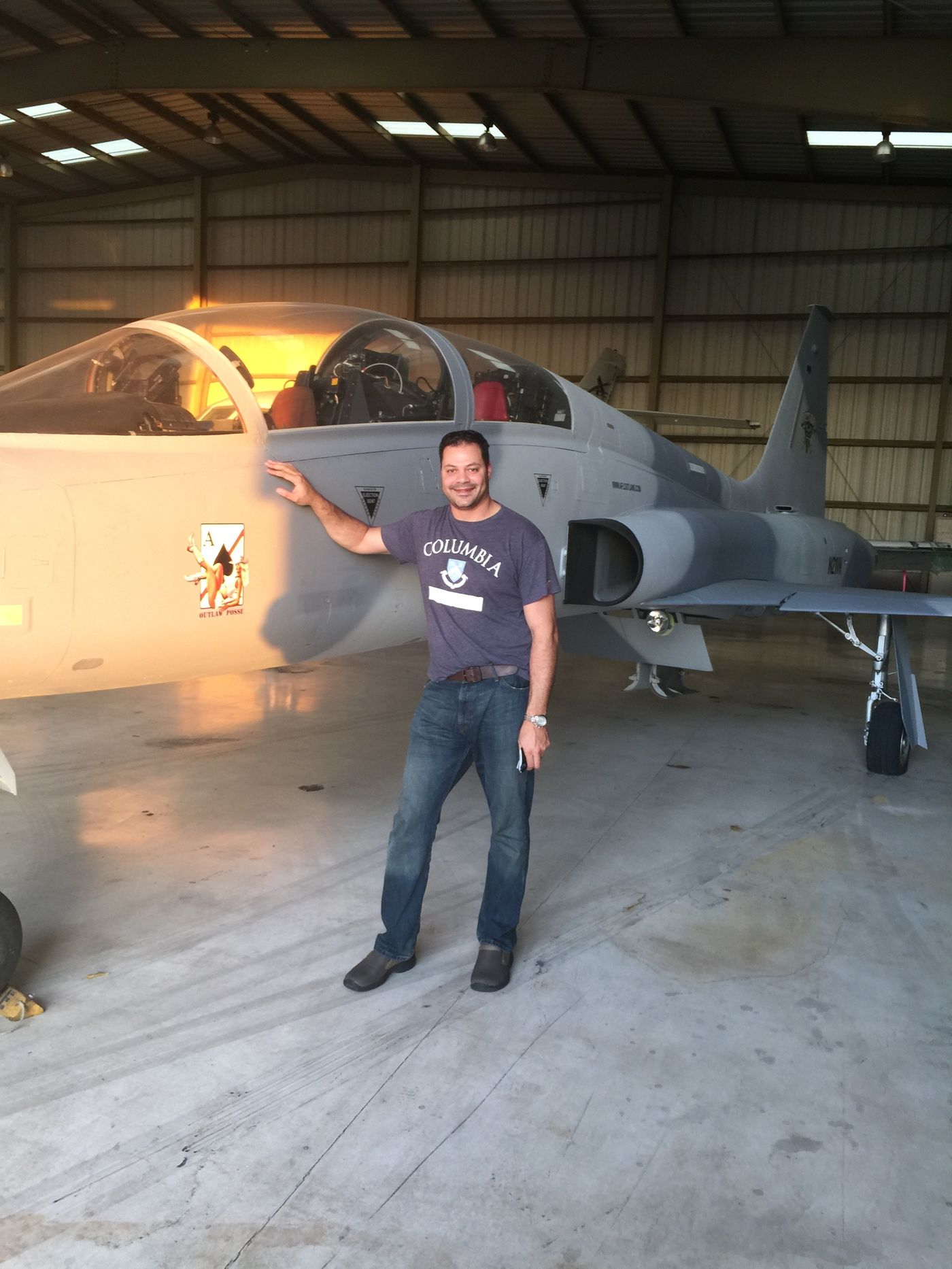
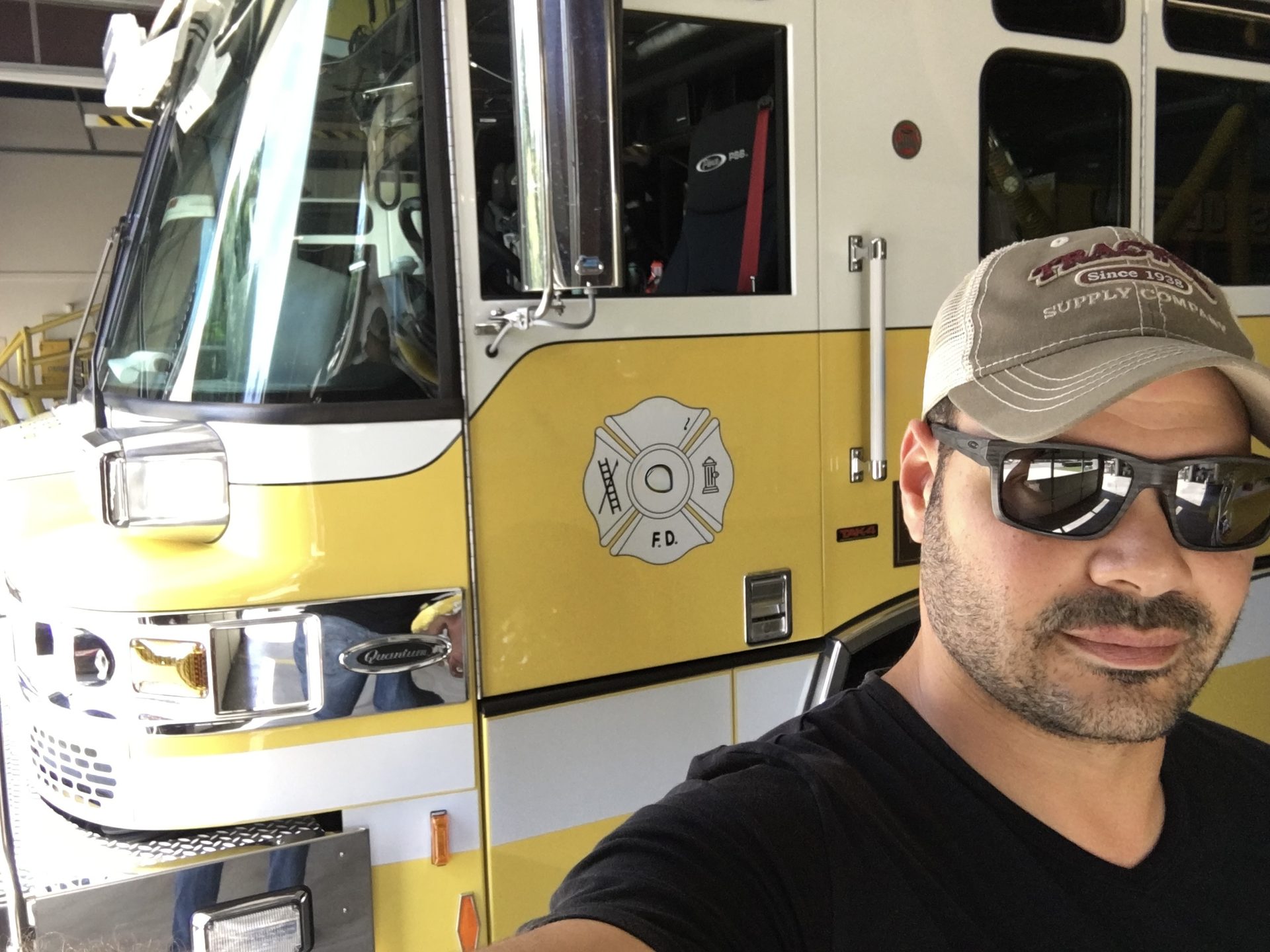
Stefan served as a volunteer firefighter, with a focus on heavy rescue. Earlier, in the early 2000s, he served as a defense contractor through American Dynamics Flight Systems on the U.S. Marines UCAV program. The disciplines of both — judgment under pressure, redundancy in every system, accountability to a team — still shape how he approaches every project.
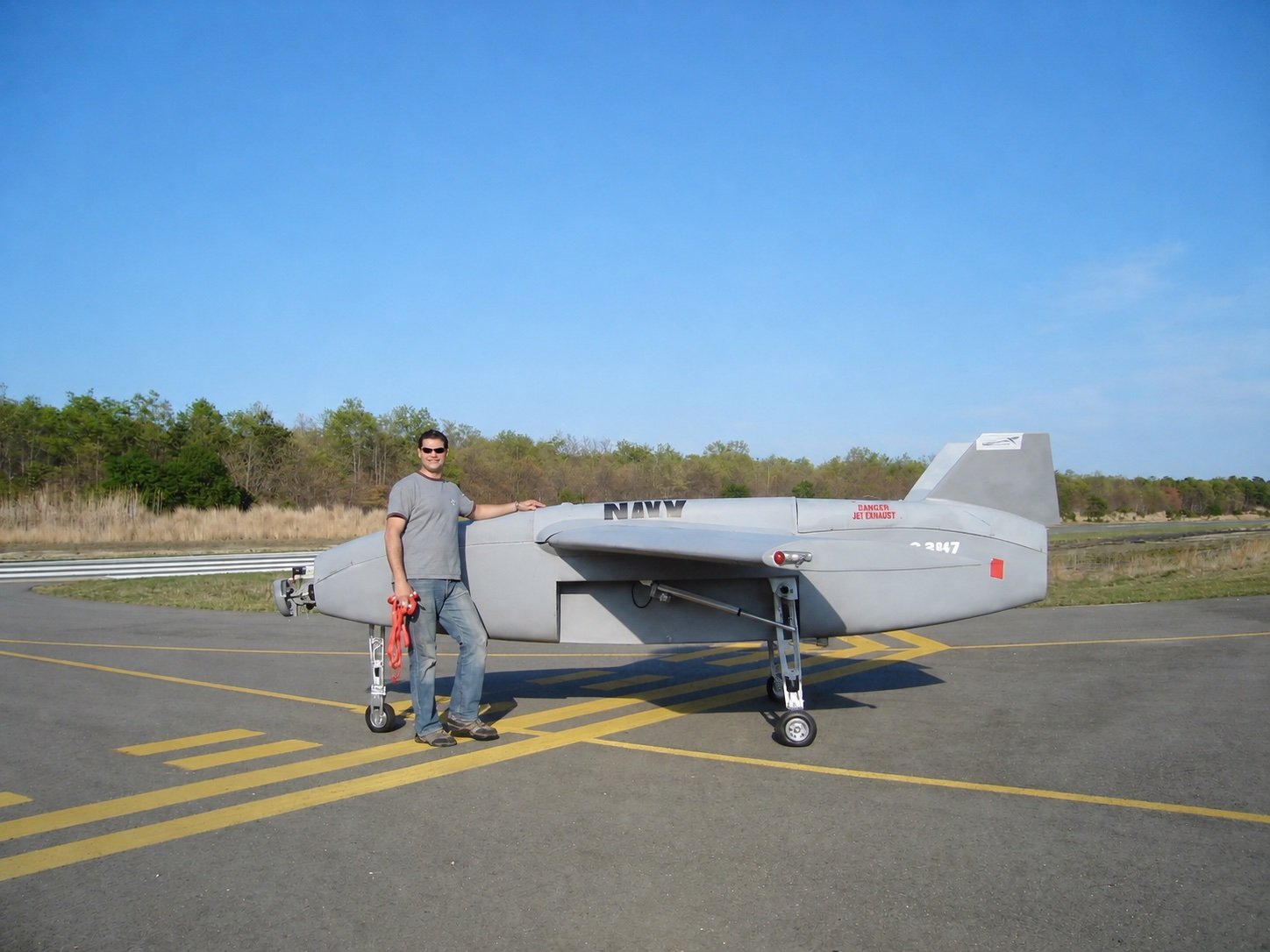
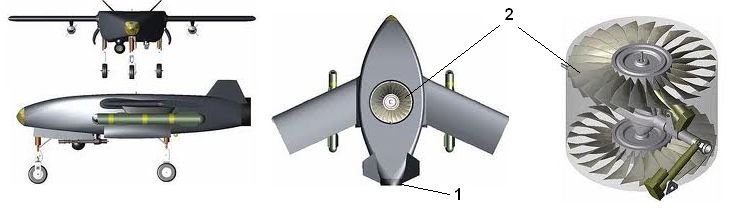
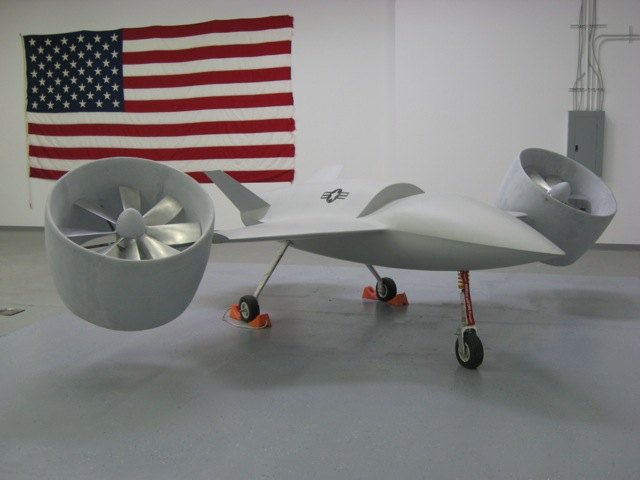
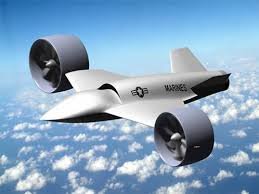
Stefan was a defense contractor through American Dynamics Flight Systems, supporting the U.S. Marines Unmanned Combat Aerial Vehicle program under Tier III validation APW-82, in coordination with the Navy and Marine Corps Small Tactical UAS Program Office (PMA-263) at NAVAIR Patuxent River. The work spanned two air vehicles: the Battle Hog 100X and its tilt-duct VTOL successor, the AD-150.
End-to-end scope across both platforms — design, configuration, test, and construction — spanning the air vehicles, ground control stations, weapons systems, and forward combat operations, advancing technology readiness levels toward fielded deployment. Both aircraft incorporated his HTAL (High Torque Aerial Lift) patent, which served as the AD-150's primary wingtip lift-and-propulsion system.
The AD-150 evolved the program into a high-speed tilt-duct VTOL configuration — designed to operate alongside the MV-22 Osprey and F-35B Lightning II in expeditionary maritime operations. Two wingtip-mounted HTAL ducted fans provided both vertical lift and forward propulsion, shaft-driven from a Pratt & Whitney Canada PW200 turboshaft, targeting 300 knots at the high end. Roles: ISR, light transport, and single-Marine medical evacuation.
Stefan holds multiple issued patents across energy, aircraft, and aerospace — applied invention drawn from the same hands-on practice that shapes the rest of the work.
Power generation systems, integrated campus architectures, and behind-the-meter design — patents drawn from operating the assets, not just designing them.
Avionics, control systems, and airframe-level innovations grounded in formal engineering training and six complete aircraft rebuilds.
Patents extending into broader aerospace platforms — flight systems, propulsion, and the engineering at the edge of what flies.